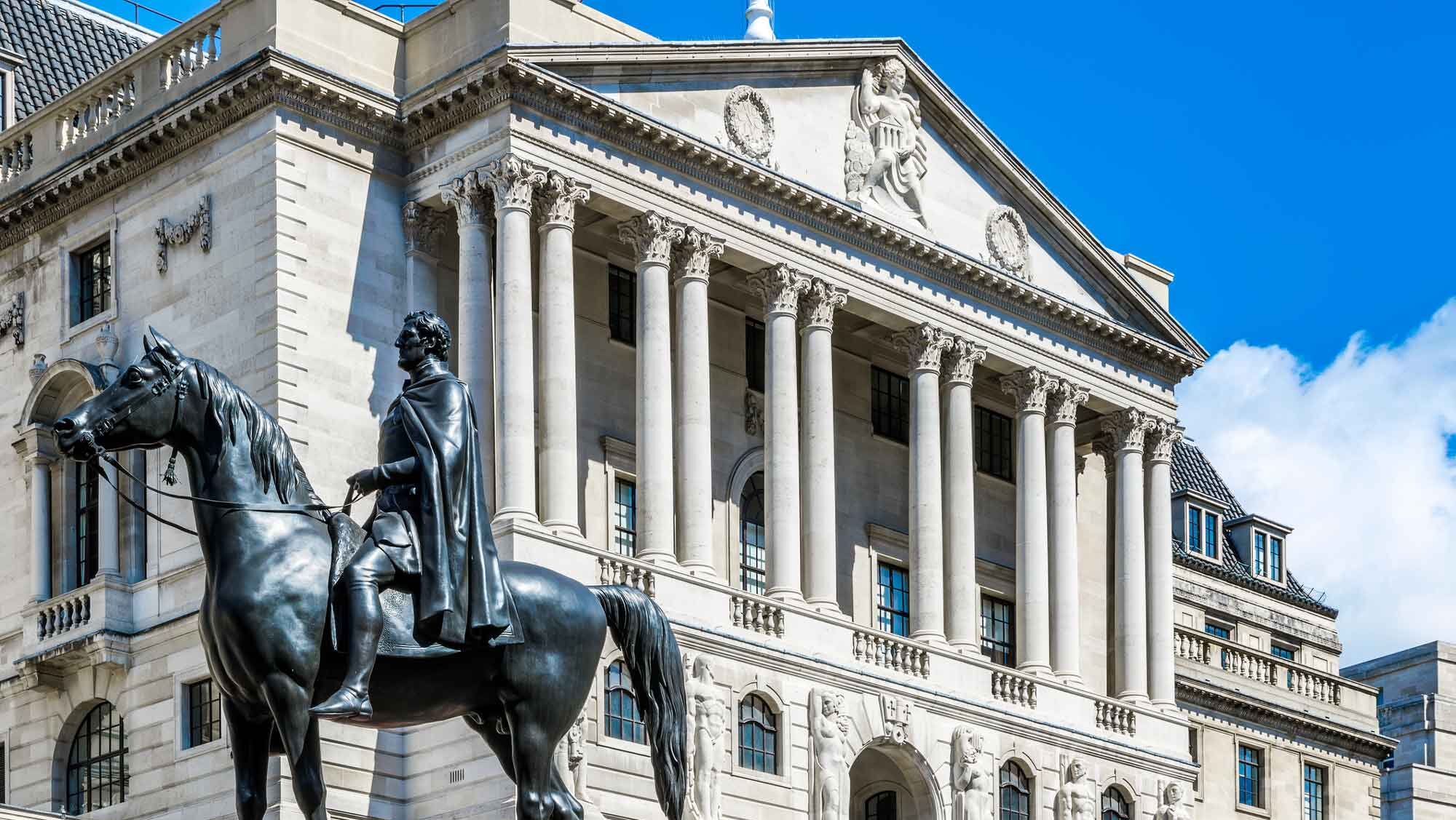
The Bank of England held interest rates at 3.75% today. The vote was 8-1, with Chief Economist Huw Pill the lone dissenter, voting to raise to 4%. That split matters, and so does what the Bank said about where things go from here.
In an unusual move, the MPC published three separate economic scenarios rather than a single forecast. That alone tells you how uncertain things are right now. Financial markets, according to Sky News, are fully pricing in three rate rises by December, taking the base rate to 4.5%. I want to give you my honest view on all of this, and what it actually means if you have a mortgage.
The Three Scenarios
The Bank set out three possible paths depending on how the Middle East conflict develops.
In the best case, the energy shock is relatively short-lived, demand weakens enough to keep a lid on inflation, and rates end up only modestly higher than expected before the conflict began. In the middle scenario, energy prices stay elevated for longer and there are some knock-on effects on wages and prices, but inflation still comes back under control over time. In the worst case, energy prices surge further, inflation embeds itself into wages and pricing decisions across the economy, peaks above 6% in early 2027, and rates need to go materially higher to bring it back down.
Most MPC members said today they place most weight on the middle scenario, with some risk of the worst case. That is the honest position from the people setting rates.
My View
I do not think three rate rises are coming, and I want to be clear about why.
Markets tend to knee-jerk in response to geopolitical shocks. The initial pricing of extreme outcomes rarely survives contact with the actual data as it comes in. And more importantly, the UK economy is already fragile. Growth this year is forecast at just 0.9%. Raising rates aggressively into that environment risks tipping us into recession, and I do not think the Bank is anywhere near ready to do that.
My view is that rates are more likely to stay on hold for longer than previously expected, with cuts pushed further out. Uncomfortable, but a very different picture from three hikes. That said, if energy prices surge further and wages start responding, the Bank will act. I just do not think we are there yet.
What Should You Do?
If you are on a tracker or variable rate, your payments are directly linked to whatever the base rate does. The risk of a rise is real enough to take seriously, even if I think markets are overstating it.
If you are remortgaging in the next few months, the case for locking into a fixed rate sooner rather than later is strong. Swap rates, which drive fixed mortgage pricing, have already moved up sharply on the back of market expectations. Waiting for clarity that may not come quickly could cost you.
If you are buying, do not let the noise put you off. Sellers know the rate environment is difficult and there is real negotiating power on purchase prices right now, which is worth something.
Whatever your situation, the right answer depends on your specific circumstances. If you want to talk it through, that is exactly what I am here for.
Craig Fish is the founder and director of Lodestone Mortgage, a London-based mortgage brokerage with over 25 years of experience. Lodestone Mortgage advises clients across the whole of the UK, with a particular focus on London and the Southeast, on residential and buy-to-let mortgages.
Get in touch at lodestone.mortgage
This blog post is for informational purposes only and does not constitute financial advice. Your home may be repossessed if you do not keep up repayments on a mortgage or other loan secured against it. Always seek independent mortgage advice tailored to your circumstances.